Most people discover the Highlands–Cashiers Plateau in summer. The real secret is that it gets better in every other season.
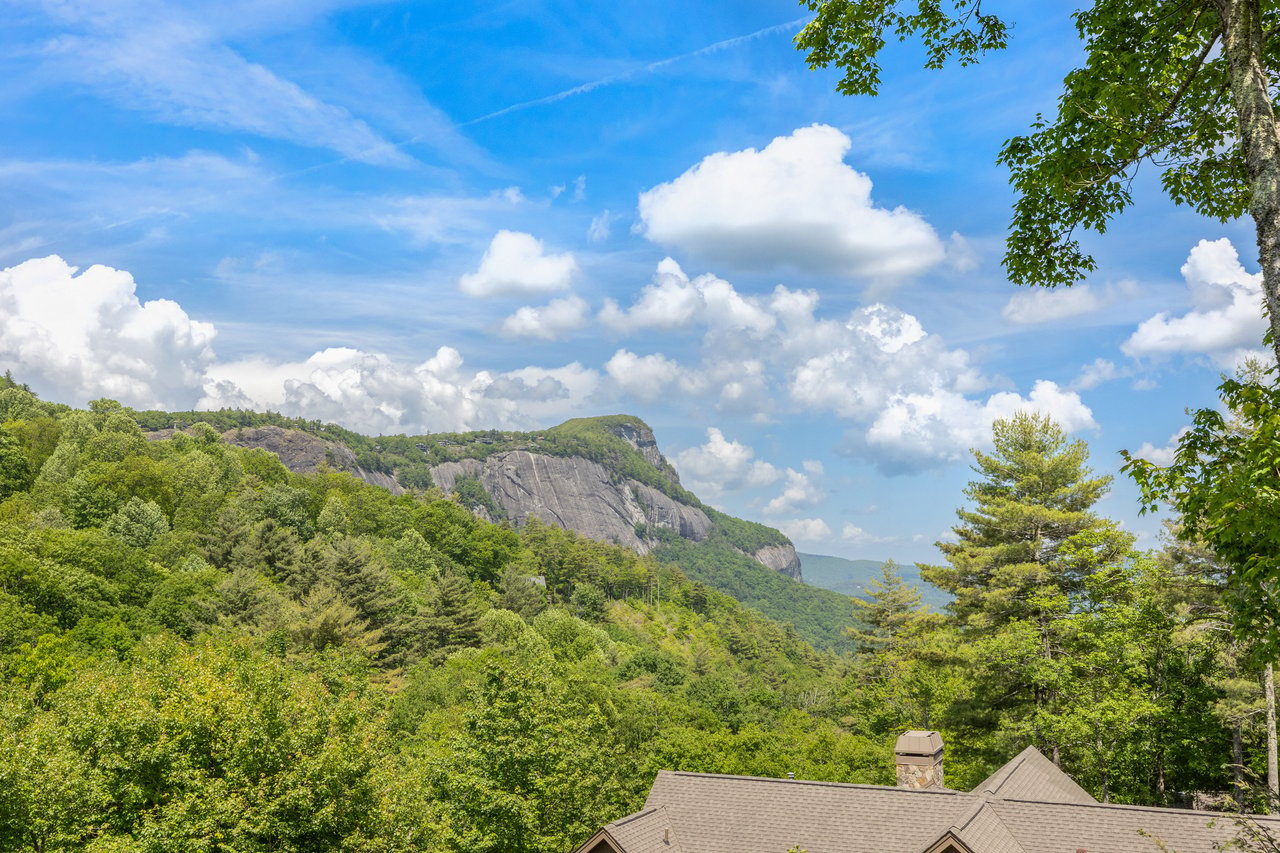
This is the counterintuitive truth that longtime residents hold close and new arrivals discover with a kind of delighted surprise. The Plateau's elevation — ranging from roughly 3,500 to over 4,000 feet — creates a microclimate unlike anywhere else in the Southeast. Summer is the famous one: air-conditioned by altitude, reliably in the 70s while Atlanta, Charlotte, and the Carolina lowlands swelter. But the other three seasons offer something just as compelling, and in some ways more rare.
Spring: The Wildflower Season
Spring on the Plateau arrives slower than in the valleys below, but when it comes, it comes extravagantly. The Blue Ridge is home to one of the most biodiverse temperate forests on the planet, and the wildflower bloom that runs from April through June is a genuine phenomenon. Trillium, bloodroot, trout lilies, jack-in-the-pulpit, and dozens of other species carpet the forest floor. The rhododendrons — which line every road, every trail, every creek bank — begin their bloom in May and reach their peak in June, transforming entire hillsides into something that looks like a botanic garden gone joyfully feral.
Spring also brings the return of the waterfalls. After the winter rains and snowmelt, Dry Falls, Bridal Veil Falls, Lower Cullasaja Falls, and dozens of lesser-known cascades run at full volume. There is nothing quite like the sound of a mountain waterfall in April.
Fall: When the Plateau Becomes Itself
If summer is when the Plateau is most popular, fall is when it is most itself. The leaf season in the southern Appalachians is among the most spectacular in North America — a slow, rolling transformation that begins on the high ridges in late September and works its way down through October and into early November.
The light in October on the Plateau is something landscape painters spend careers trying to capture. The air has a crystalline quality — cold mornings, warm afternoons, no humidity. The hiking trails are uncrowded. The restaurants are at their best. The golf courses are at their most beautiful.
This is also, increasingly, when savvy buyers choose to visit. Seeing a property — and a community — in its shoulder season gives you a more accurate picture of what it's actually like to live there than a July weekend can.
Winter: The Quiet Season
Winter on the Plateau is, for some, the most beloved season of all. The crowds are gone. The short-term rental visitors have returned to wherever they came from. The town — particularly Highlands — becomes intimate in a way that the summer season obscures. You know the people at the coffee shop. You know the owners of the restaurants that stay open. There's a particular warmth in a community that has decided to stay through the cold together.
The Plateau does get real winter: snowfall is common, sometimes significant. Roads can be challenging. But for those who've grown up in northern winters or simply love the drama of a mountain snowstorm, this is a feature rather than a bug.