If you've ever searched real estate listings in Highlands or Cashiers, you've probably noticed something: the inventory is thin, the prices are significant, and the best properties seem to disappear before you've had time to think. This isn't an accident. It's the defining characteristic of a market that operates by different rules than almost anywhere else in the South.
Understanding those rules before you start looking will save you frustration — and possibly tens of thousands of dollars.
Supply Is Structurally Limited
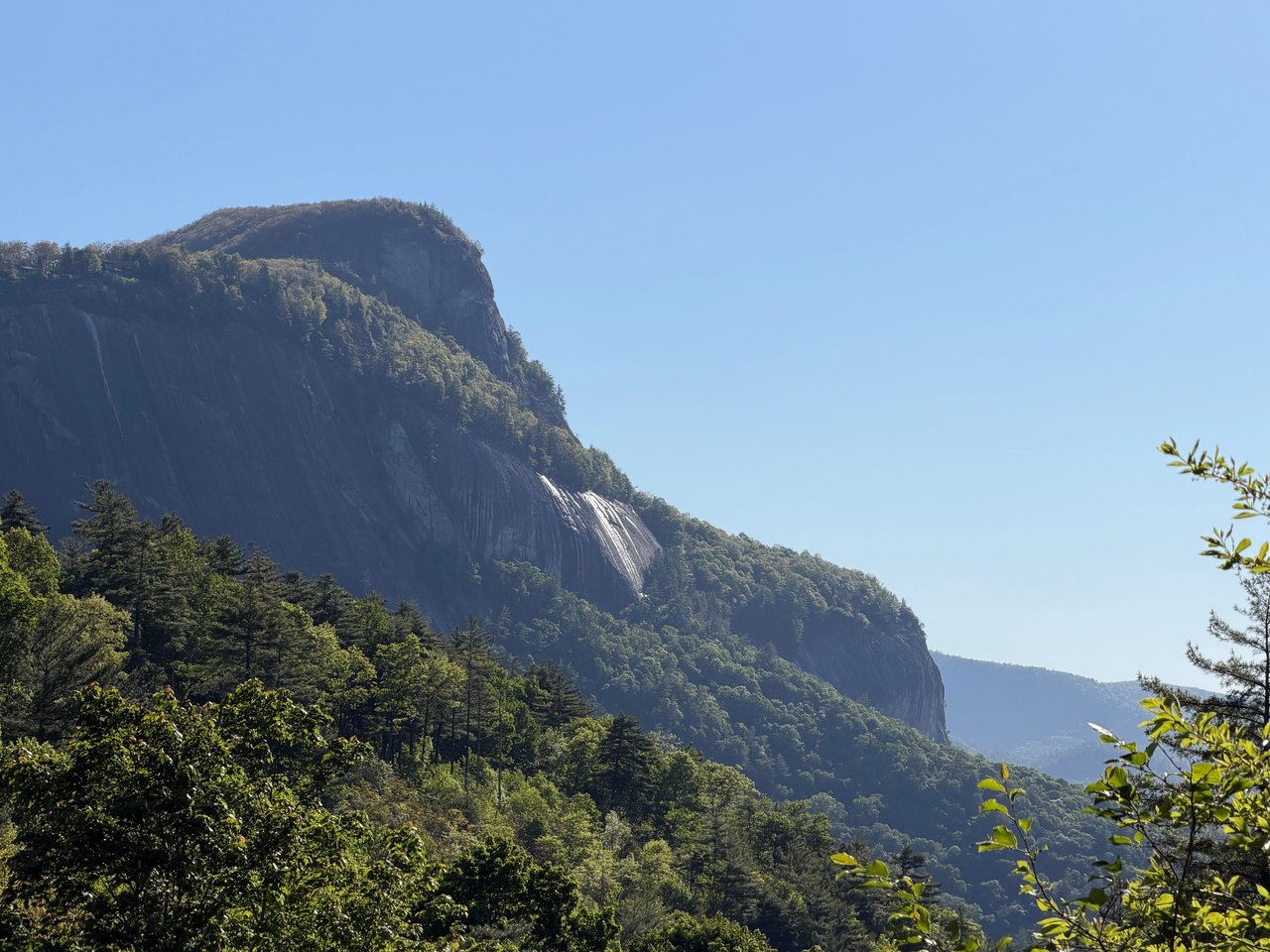
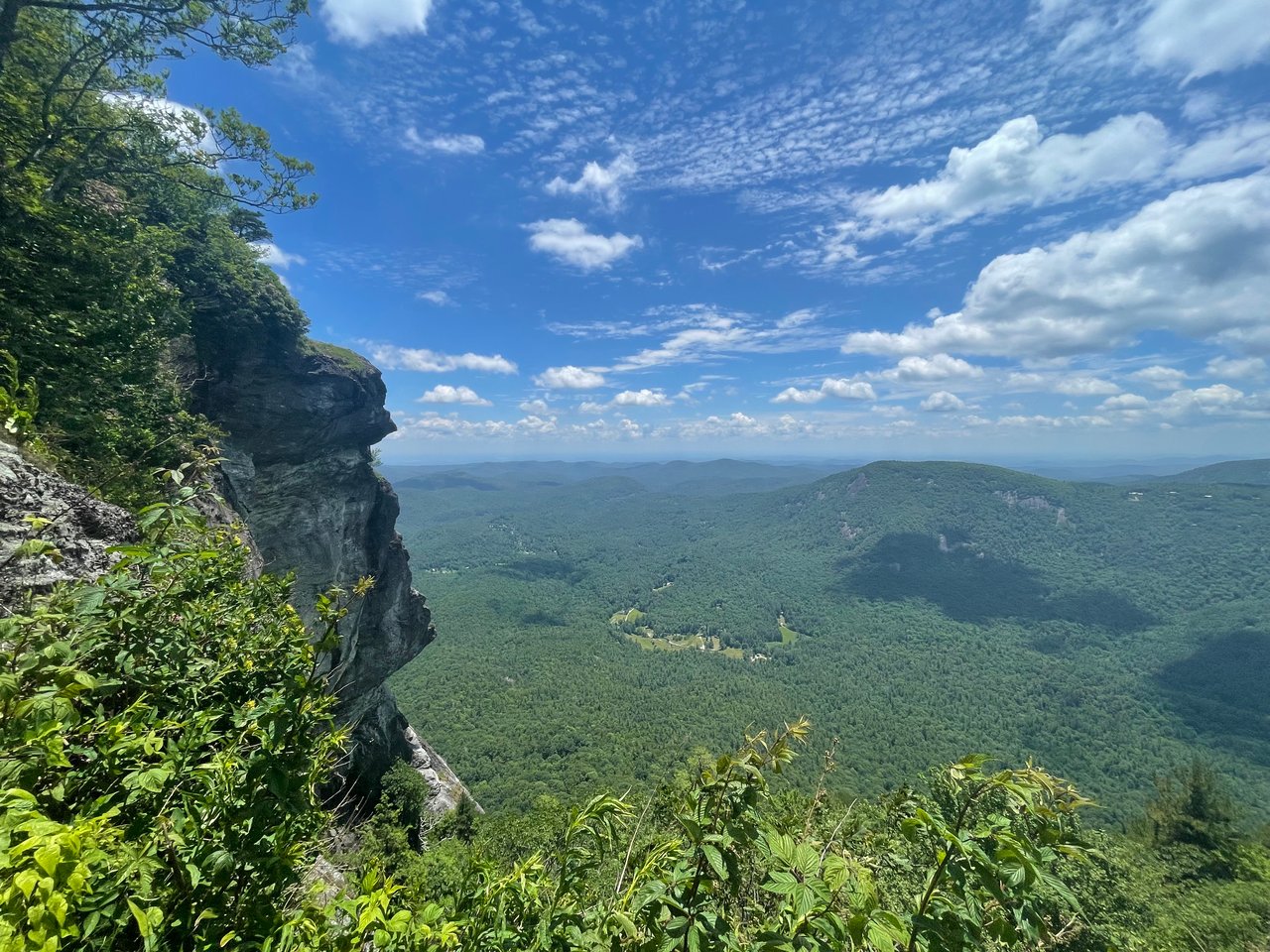
The Highlands–Cashiers Plateau is surrounded on all sides by national forest, conservation easements, and terrain that simply cannot be developed. There is no sprawl here — the land itself prevents it. New construction is constrained by the topography and by local zoning that has, broadly speaking, prioritized the area's character over density.
This means that unlike most real estate markets, where a surge of demand eventually produces a corresponding surge of supply, the Plateau has a ceiling on inventory that doesn't move. When buyers flood in — as they have in waves since 2020 — prices rise and stay risen. When the broader market softens, the Plateau holds its value. Limited supply is not a feature of a particular moment; it is a permanent condition of the geography.
Private Communities Dominate the Premium Market
A significant portion of the most desirable properties on the Plateau sit inside gated private communities, each with its own character, amenities, and — critically — its own membership structure. Cullasaja Club, Highlands Country Club, Mountaintop Golf & Lake Club, Wildcat Cliffs Country Club, Wade Hampton Golf Club, and others offer a lifestyle layer that goes well beyond the home itself: world-class golf courses, tennis, swimming, dining, and the kind of social programming that makes a second home feel like a first community.
The key thing to understand: buying the property and joining the club are separate transactions. Initiation fees at top clubs can run from $50,000 to six figures or more, and membership is by application and approval. If club life is central to why you're buying on the Plateau, factor this into your total budget from day one — and work with a local agent who has deep relationships with these communities.
Local Knowledge Is Not Optional
The Highlands–Cashiers market is not something you can navigate effectively from an out-of-town brokerage or an algorithm. The nuances of elevation, sun exposure, which ridgelines have views and which are socked in by morning fog, which neighborhoods have fiber internet and which have spotty cell service, which roads become difficult in January, which sellers have priced aggressively and which have unrealistic expectations — these are the things that separate a smart purchase from an expensive lesson.
Work with an agent who lives here. This is a market where relationships and local intelligence matter more than in almost any other context.
What Buyers Often Underestimate
Beyond the club memberships and the purchase price, buyers frequently underestimate:
- Carrying costs. Mountain properties require more maintenance than flat-land equivalents. Roofs, driveways, propane (natural gas is not available in much of the area), backup generators, and the seasonal opening and closing of a home add up.
- The renovation reality. Craftsmen on the Plateau are in high demand and command premium rates. If you're buying a fixer-upper with renovation plans, get contractor estimates before you close — not after.
- The HOA landscape. Many communities have HOA fees that run several thousand dollars annually and cover services ranging from road maintenance to social programming. Understand what you're buying before you buy it.
- Internet and connectivity. This is improving rapidly — fiber is expanding — but connectivity varies significantly by location. If you're working remotely, verify service availability at the specific property before you sign.
The Right Time to Buy
Here's the honest answer: the best time to buy on the Plateau was yesterday. The second best time is now. The market has shown consistent resilience through multiple national downturns, and the structural supply constraint means that well-priced, well-located properties are unlikely to get cheaper in any meaningful, sustained way.
What changes is what's available. The window between a property coming to market and going under contract can be measured in days. If you're serious, be ready to move.